
Transporting a car that doesn’t run isn’t as complicated as it might sound. Inoperable vehicle transport uses special equipment and step-by-step planning. Each move is handled differently than shipping a car that drives. This guide explains exactly what happens when you need to move a non-running vehicle, whether it’s from Fontana, CA, or headed across the country.
What Makes a Vehicle Inoperable?
A vehicle is considered inoperable if it can’t start, move under its own power, or steer normally. This could be due to mechanical issues, accident damage, or simply a dead battery that can’t be jump-started. At Beacon Auto Transport, we ask about the car’s condition during booking. This helps us send the right truck and tools. If your car’s brakes or steering don’t work, let us know—our dispatcher will make sure the carrier arrives with winches or liftgates as needed.
Step-by-Step: How We Move Non-Running Cars
Moving an inoperable vehicle involves extra steps compared to standard car shipping. Here’s how the process works from start to finish. You’ll always know what to expect, from the first call to delivery in Fontana, CA or beyond.
- You tell us the car’s exact condition at booking.
- We assign a carrier with winching gear or a liftgate.
- Driver confirms pickup time and site access needs.
- At pickup, we use ramps or winches to load the car.
- We photograph and secure the car before transport.
- At drop-off, the driver unloads with extra care.
Equipment Used for Safe Loading and Unloading
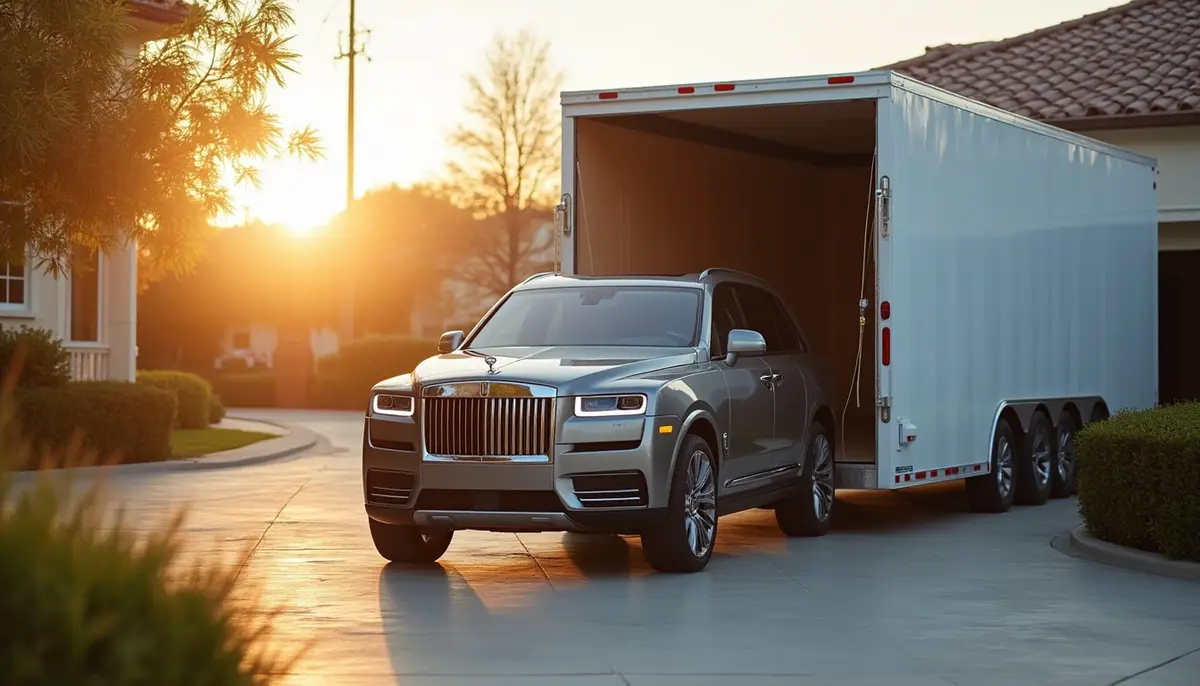
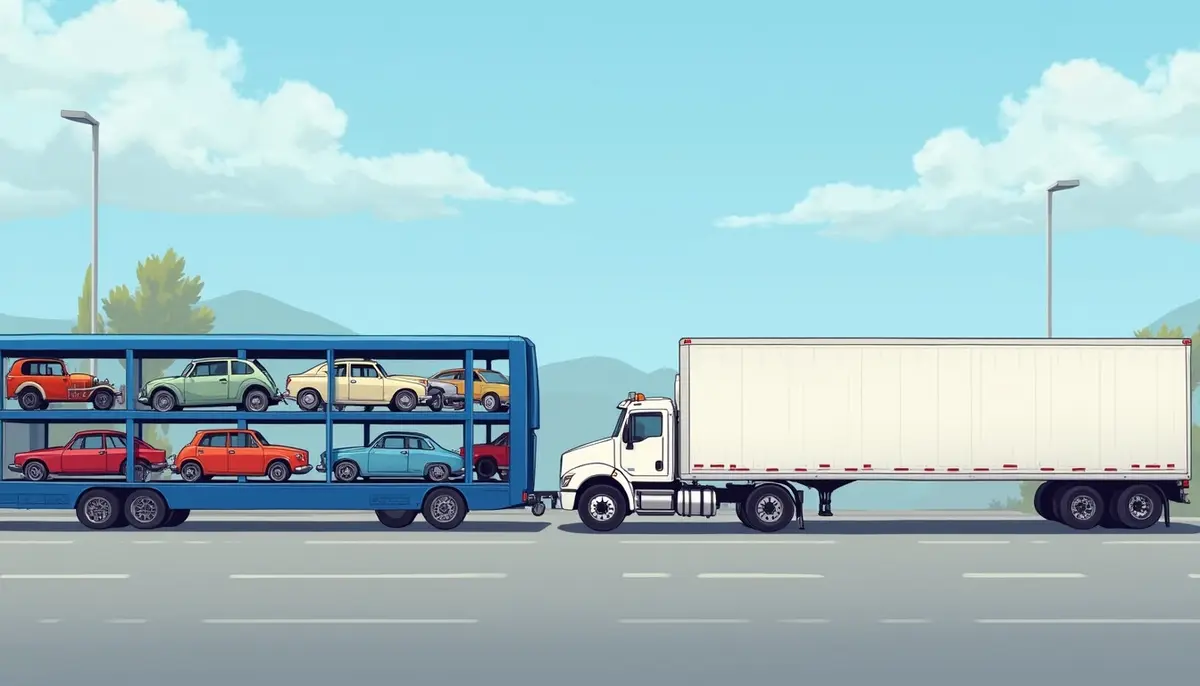
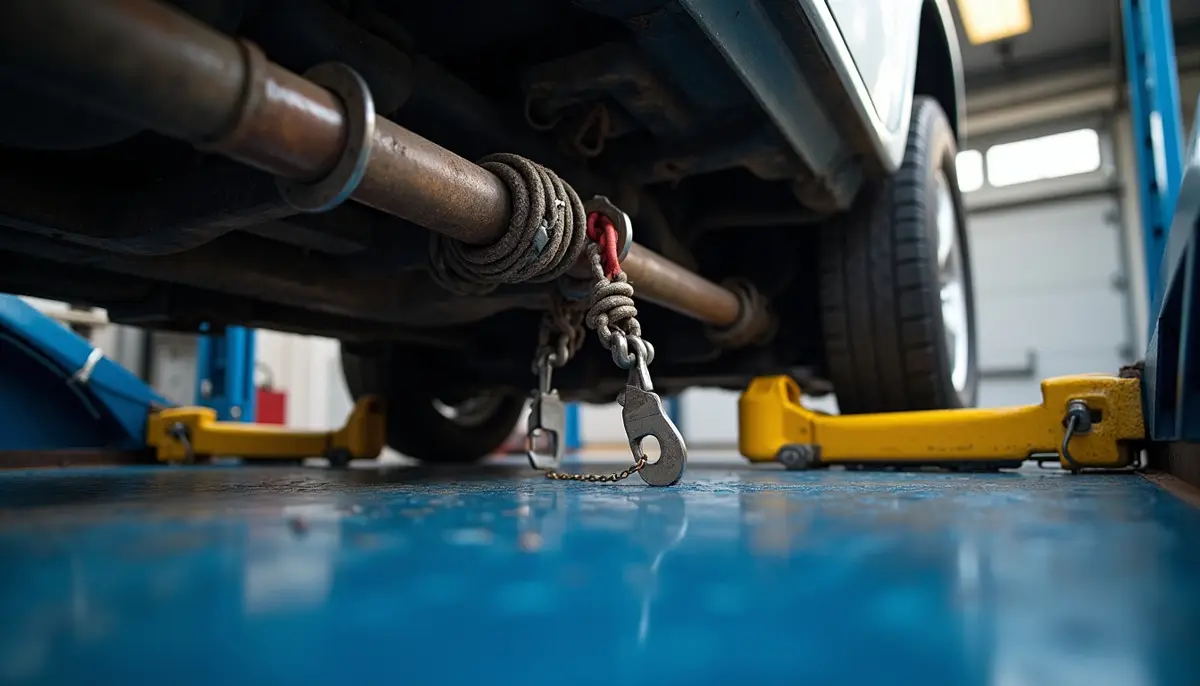
Regular car carriers use ramps for driving vehicles aboard. With inoperable cars, extra tools come into play. We often use hydraulic winches, wheel dollies, or even flatbed liftgates for smooth loading. For cars missing wheels, the carrier brings wheel skates—these help move the vehicle without dragging it. At every stop, the driver checks tie-downs and takes photos for records. This way, your car is handled with care from Fontana all the way to its destination.
What to Expect During Pickup and Delivery
Pickup and drop-off can take longer for non-running vehicles. The driver will call you about an hour before arrival. Make sure the car is in an open spot with space for the truck and equipment. If the car is inside a garage or tight alley, tell us ahead of time—some tools need extra room to operate safely. At drop-off, the driver repeats the process in reverse and makes sure your car is placed exactly where you need it.
Throughout the trip, you’ll have one coordinator’s direct number for questions or updates. We confirm every detail before moving the car, so there are no surprises.
Tips to Prepare Your Inoperable Vehicle
A little preparation helps the transport go smoothly. Before the driver arrives, remove personal items from the car. Make sure keys are ready, even if the car won’t start. If possible, let us know if the tires hold air or if there are fluid leaks. In Fontana’s hot summers, check for any loose exterior parts that could come off during loading. The more we know, the better we can plan for a safe, quick move.